
Last updated September 19, 2026
Free on-site gate assessment - hinges, posts, and your LiftMaster or Nice gate operator checked before anything is quoted
The assessment is free and the quote is the invoice.
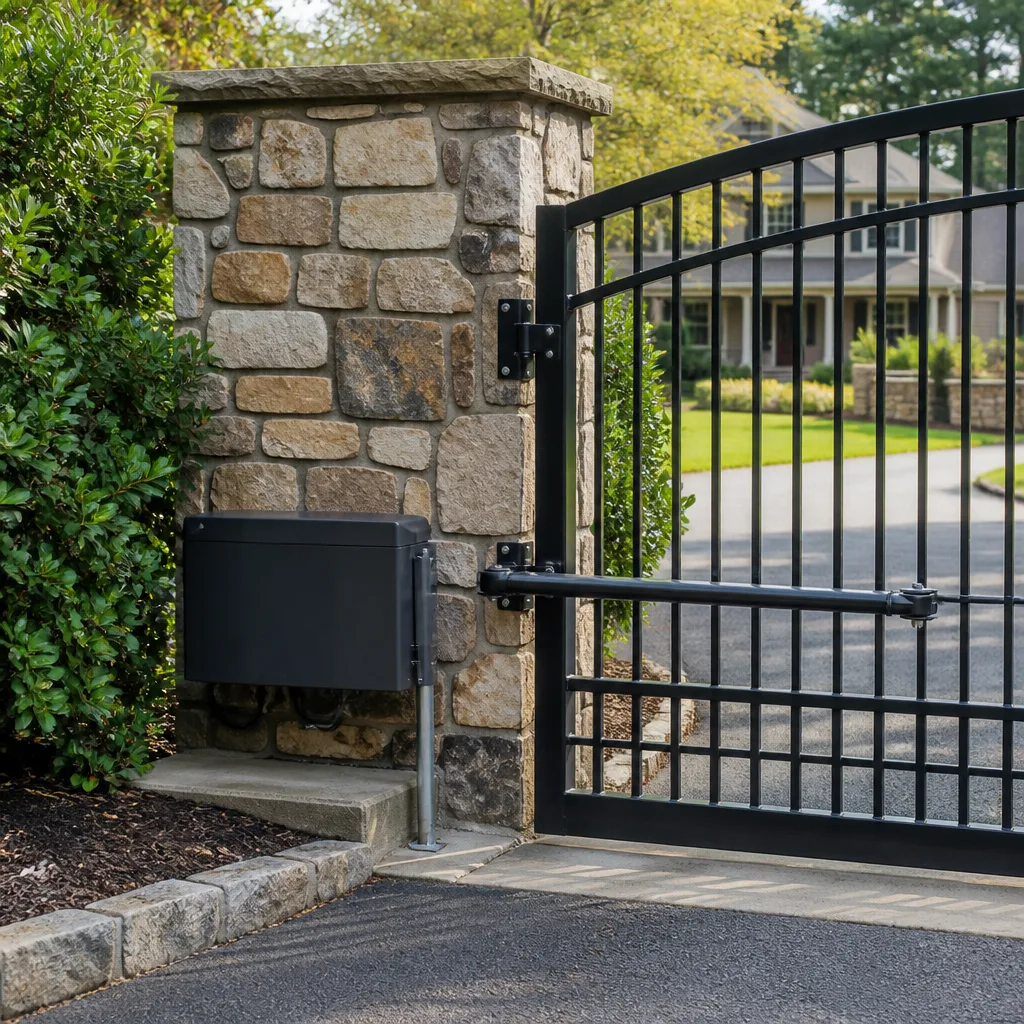
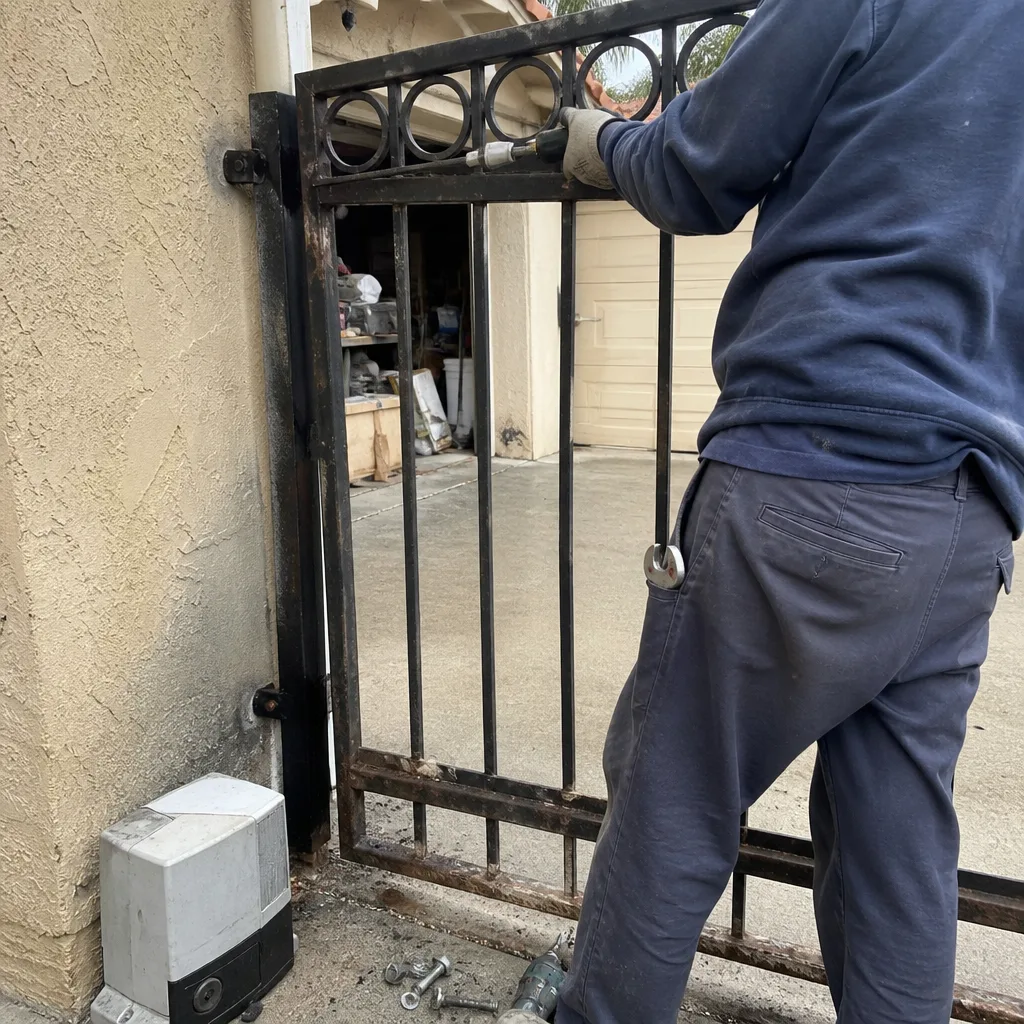 Before
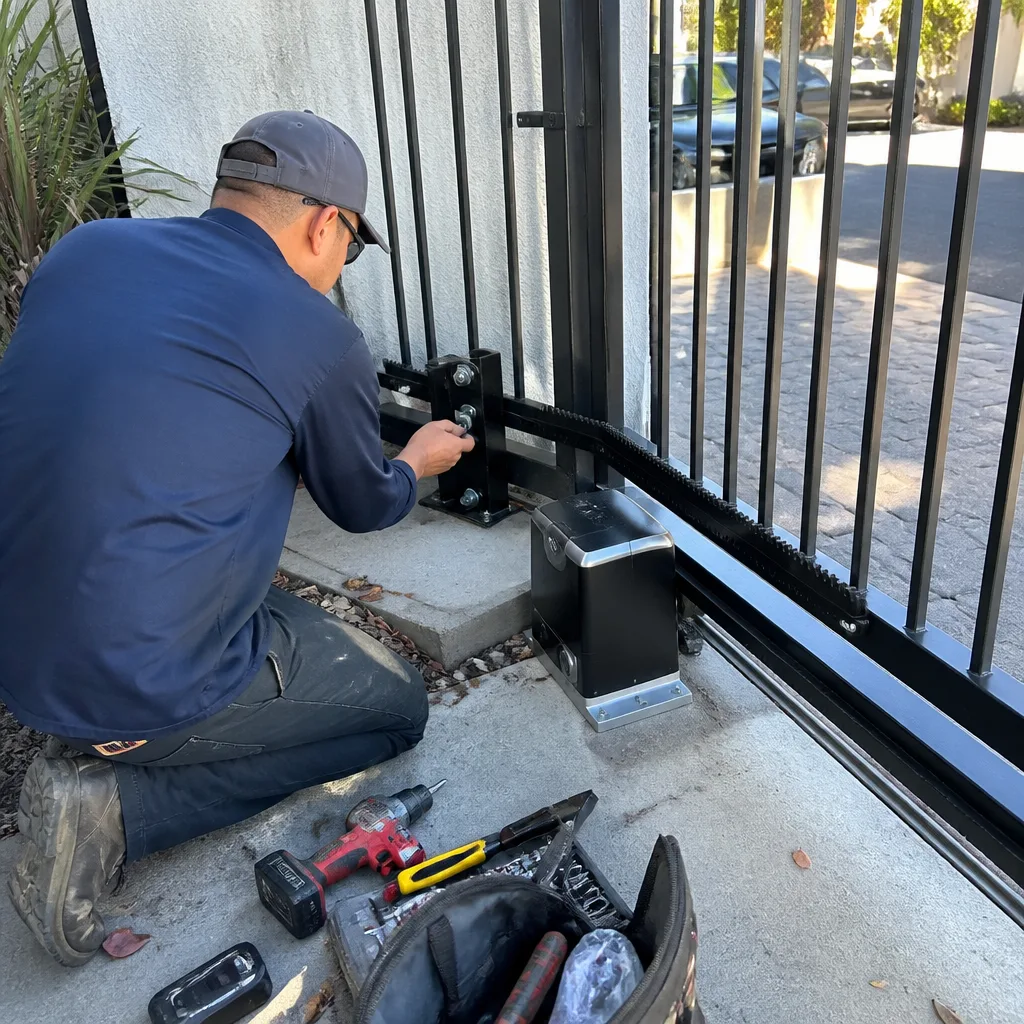 After
After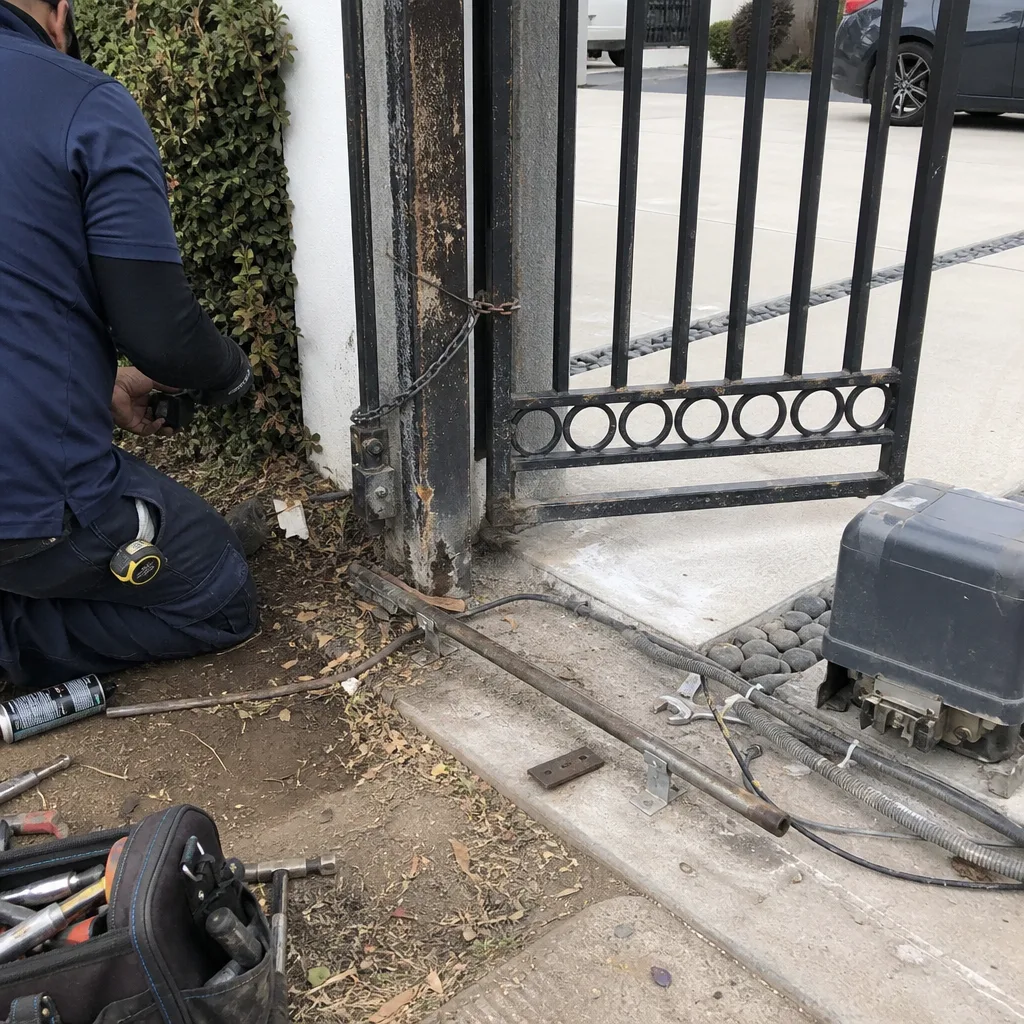 Before
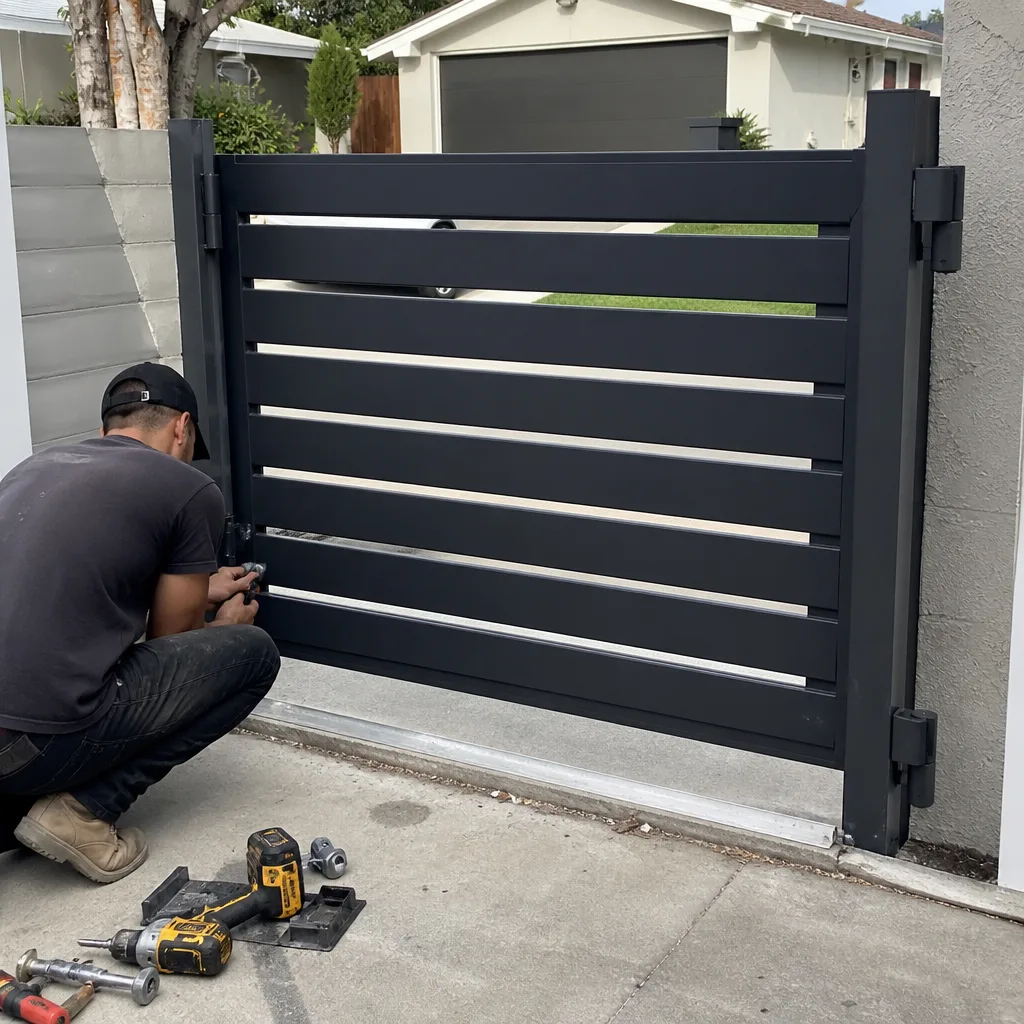 After
After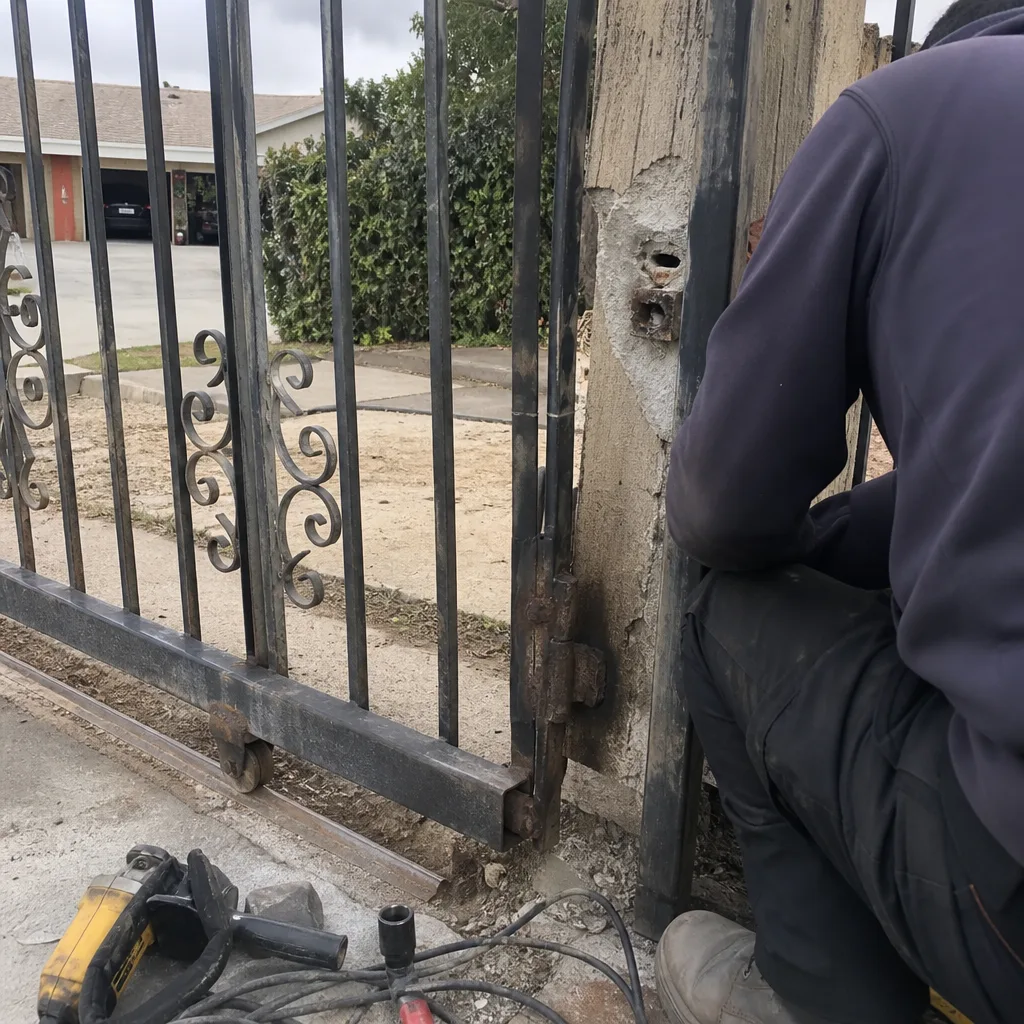 Before
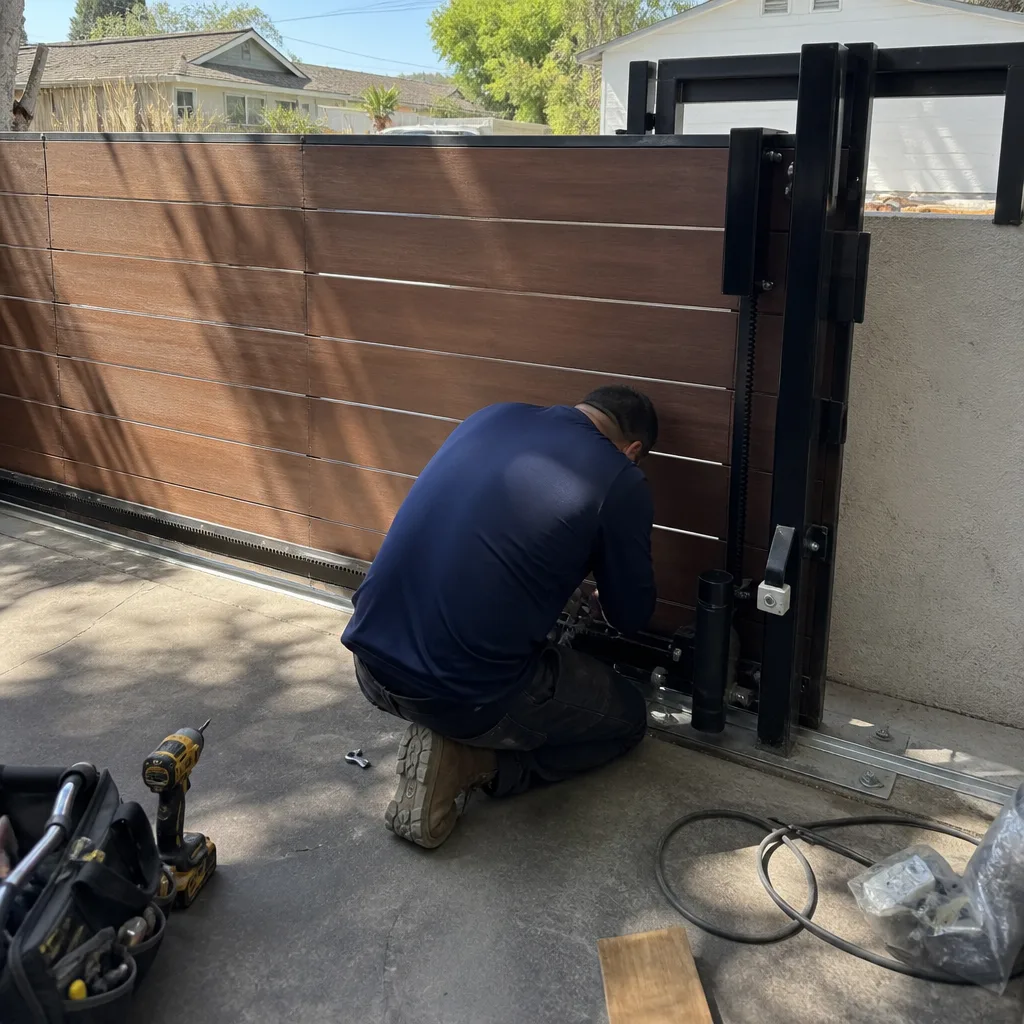 After
AfterHow to Hire a Gate Repair Contractor in Los Angeles: A Step-by-Step Guide
The single most predictive indicator of a bad gate repair outcome in Los Angeles isn’t the contractor’s reviews, their truck, or their years in business. It’s whether they handed you a written scope before touching your gate. Most don’t. A verbal estimate is an agreement to disagree later: you remember one number, they remember another, and the invoice lands somewhere above both. This guide covers exactly what separates a documented repair from a gamble, how to vet a contractor in Los Angeles before they arrive, what a real written scope contains, and what to do if the price changes after work begins. For The Complete Guide to Gate Repair in Los Angeles, see our deeper resource.
Quick Answer
Hiring a gate repair contractor in Los Angeles comes down to one test: will they put the scope and the flat price in writing before any work starts? Ask for a written estimate that includes part numbers, labor hours, and what’s excluded, verify their license on the CSLB portal, and treat any contractor who insists on verbal-only pricing or pressures you to approve same-day work without a site visit as a red flag. A contractor who documents the job before touching it has already shown you how disputes will be handled.
Table of Contents
- Why the Written Scope Matters More Than the Reviews
- What a Written Scope Should Actually Contain
- How to Verify a California Gate Contractor’s License
- Questions That Separate Diagnosticians from Parts Swappers
- Red Flags in the First Phone Call
- What to Do If the Price Changes After Work Starts
- The Step-by-Step Hiring Process
- Common Mistakes to Avoid
- When to Call a Professional
- Frequently Asked Questions
- The Bottom Line
BeforeAfterWhy the Written Scope Matters More Than the Reviews
Reviews tell you how a contractor made someone feel. A written scope tells you how they work. Those are different things, and in Los Angeles gate repair, the second one predicts outcomes far more reliably. We’ve walked onto properties in Sherman Oaks, Studio City, and the Hollywood Hills where the previous gate company had glowing reviews and a five-star profile, and the homeowner still ended up paying twice: once for the original repair, once for us to undo it and fix the actual fault. The missing piece was never skill. It was documentation.
A written scope does four things that a verbal estimate cannot. It fixes the price before any tool leaves the truck. It names the parts being installed, so a contractor can’t quietly substitute a cheaper capacitor or a refurbished control board. It defines what’s excluded, which is where most billing disputes actually start. And it gives you a record you can hold up against the final invoice. In California, contractors working on jobs of $500 or more are legally required to provide a written contract under the state’s Contractors State License Law. If a gate company won’t produce one, they’re either unaware of the requirement or hoping you are.
For Gate Repair in Los Angeles, the stakes are higher than most homeowners realize. A driveway gate is a heavy moving structure, often steel, often on a slope, often with an electric motor and a control board attached. Los Angeles properties in the Hollywood Hills, Brentwood, and Silver Lake frequently have gates on inclines where a misadjusted limit switch or a weak bracket doesn’t fail the same day. It fails three months later, when the gate is mid-swing and something important is in the path. That’s why the documentation habit matters more than the review count.
Our company operates under what we call the Haven Standard, and Clause 1 is simple: have it in writing. Every job we do in Los Angeles starts with a written price handed over before any work begins. Not a range. Not a ballpark. A flat number with the scope attached. If a company is confident in their diagnosis, writing it down costs them nothing. If they resist writing it down, ask yourself what they’re protecting.
What a Written Scope Should Actually Contain
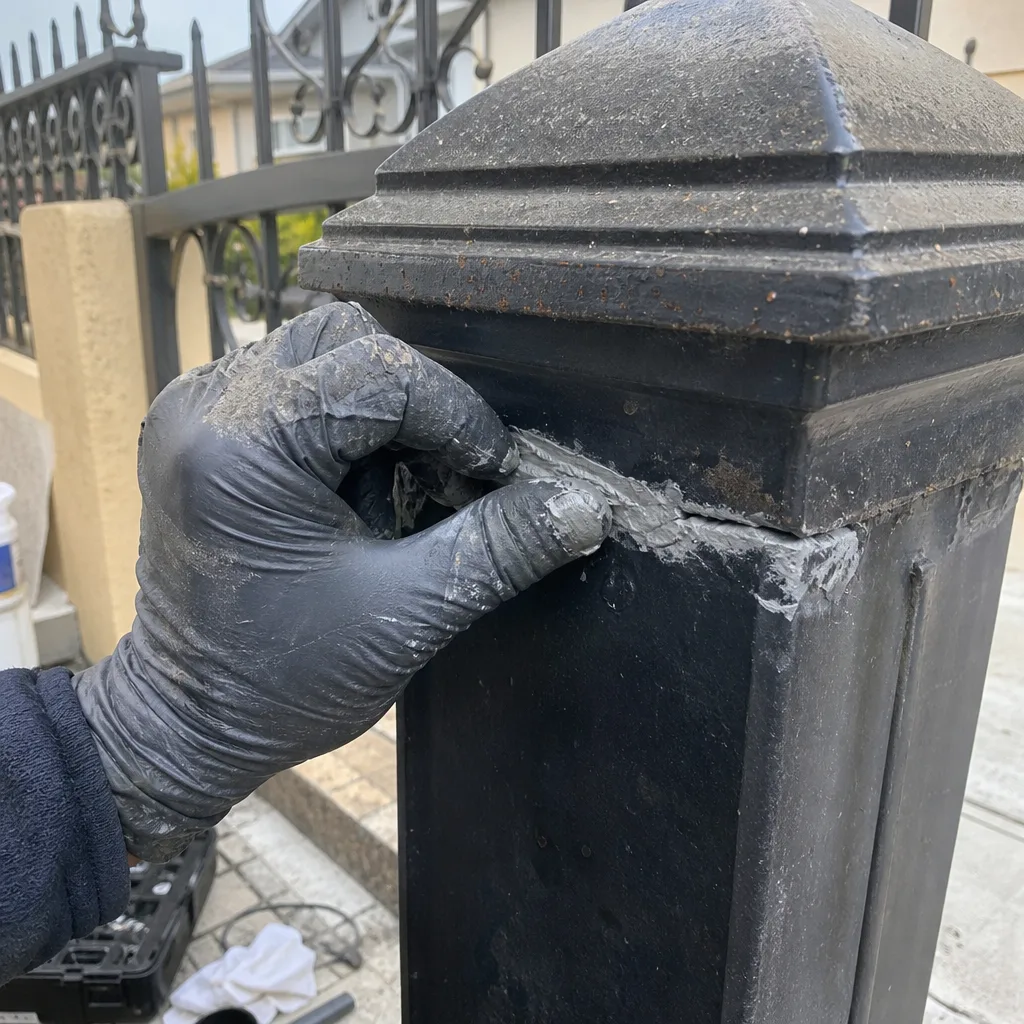
Here’s what separates a real written scope from a piece of paper with a number on it. A real scope names the specific parts, the labor involved, and what the contractor is explicitly not doing. A vague scope says “gate repair” with a dollar amount. That’s not a scope. That’s a receipt waiting to be disputed.
At minimum, a legitimate written scope for a Los Angeles gate repair should include:
- Part numbers or exact part descriptions. “Control board replacement” is vague. “DoorKing 1515-080 control board, new, factory sealed” is a scope. Part numbers tell you exactly what you’re paying for, and they prevent a contractor from installing a used or refurbished part at new-part pricing.
- Labor hours and the rate. If a job takes two hours but the estimate says four, the scope should explain why. Labor should be broken out, not buried in a lump sum.
- What’s explicitly excluded. This is the part most contractors leave out because it’s where the money is. “Excluded: concrete work, welding beyond the hinge mount, paint touch-up.” If it’s not excluded in writing, you might find it on the invoice later.
- Warranty terms. What’s covered, for how long, and under what conditions. “Warrantied” without a term is not a warranty.
- The specific diagnosis. Not just the symptom (“gate won’t open”) but the finding (“limit switch misaligned 12 degrees past travel; reset required”). A scope that names the actual fault shows the contractor diagnosed it, not guessed at it.
A written estimate that omits these things isn’t technically fraudulent. But it does tell you something about how the contractor operates. If they won’t write down what they’re going to do, they’re leaving themselves room to do something else and charge more for it. In Los Angeles, where gate repair calls range from a broken Mighty Mule sensor in Van Nuys to a full Gate Motor & Opener in Los Angeles replacement in Bel Air, the scope is the only thing that keeps the conversation honest from both ends.
How to Verify a California Gate Contractor’s License
California makes this part easy. The Contractors State License Board, or CSLB, maintains a public database of every licensed contractor in the state, and you can look up any company in under two minutes. That’s not a suggestion. It’s the minimum due diligence before you let anyone work on a gate that weighs hundreds of pounds and is controlled by an electric motor.
Here’s the step-by-step:
- Go to the CSLB website (cslb.ca.gov) and use the “Check a Contractor’s License” tool.
- Enter the contractor’s name, business name, or license number. If they’re licensed, you’ll see their license classification, issue date, expiration date, and any disciplinary actions.
- Check the classification. Gate work in California typically falls under the C-61 / D-28 class, which covers door and gate services. For automation, some contractors carry a C-10 electrical classification. If a contractor’s license doesn’t cover gate work, that’s a problem your homeowner’s insurance may not be interested in hearing about.
- Look for disciplinary actions. The CSLB database lists citations, suspensions, and revocations. A clean record isn’t a guarantee of quality, but a dirty one is a guarantee of something.
- Ask for proof of general liability insurance. A license is mandatory. Insurance is the thing that covers your driveway if a gate falls off its hinges during a repair. Ask for a certificate of insurance with your name and address listed as the certificate holder.
In Los Angeles, the unlicensed contractor problem is worse than most homeowners assume. The city has a high concentration of side-work operators, some of whom do genuinely good mechanical work, but none of whom carry the insurance or the legal standing to stand behind it. If an unlicensed worker damages your gate or your property, the process for recovering that money gets complicated quickly. A licensed contractor in Los Angeles has a bond on file with the state. That bond exists specifically to protect homeowners when things go wrong. Use it as a filtering mechanism.
Our own credential, which you should see on the page before you call, is straightforward: state-licensed, insured and bonded. We put it in writing, the same way we put our prices in writing. That consistency isn’t a slogan. It’s the whole operating system.
Questions That Separate Diagnosticians from Parts Swappers
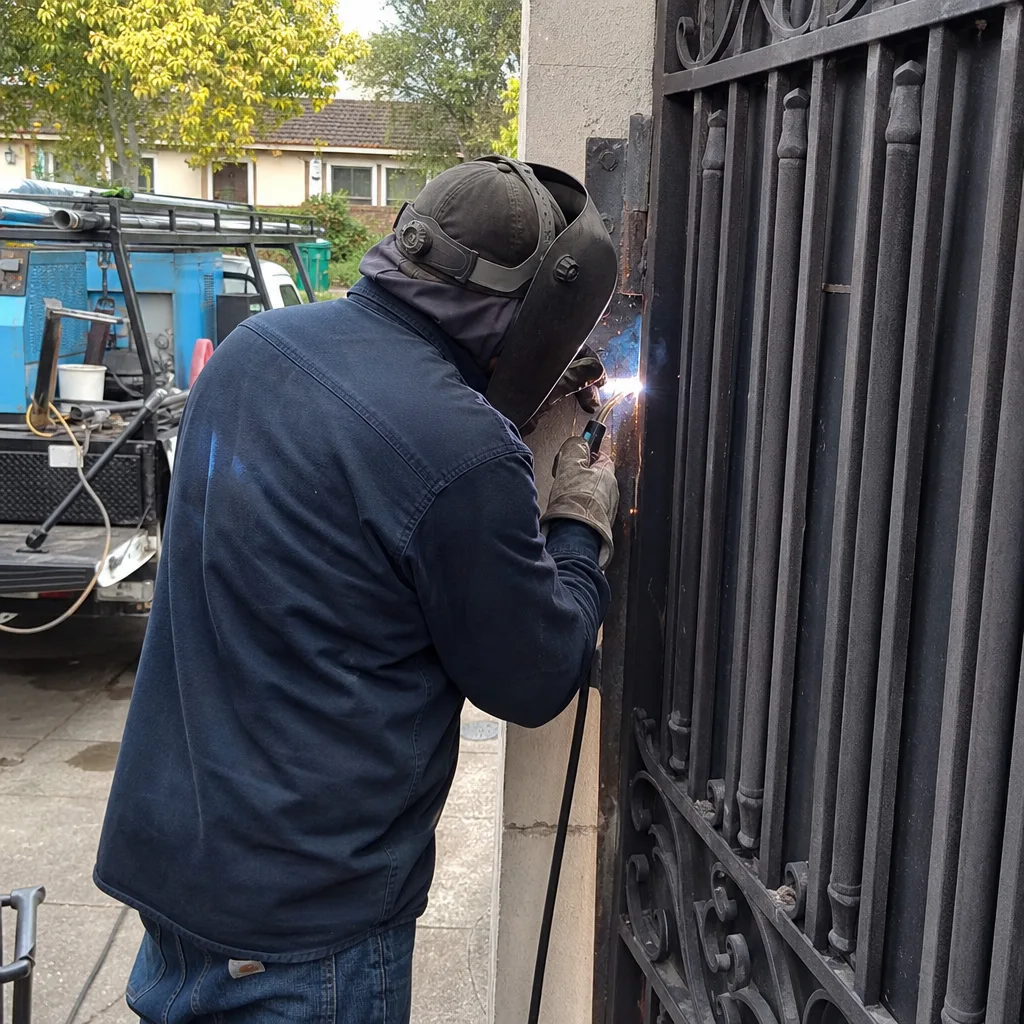
There’s a fundamental difference between a contractor who diagnoses a gate and one who replaces parts until something starts working again. The first approach costs less and lasts longer. The second approach is what produces those three-star reviews in Los Angeles where the homeowner says, “They came out twice and the gate still doesn’t work right.” Here are the questions to ask on the first call or site visit that force the distinction into the open:
- “What exactly do you think is wrong, and how did you determine that?” A diagnostician will name a component and a measurement: a limit switch set past travel, a capacitor reading 20 percent under spec, a photo-eye misaligned by two inches. A parts swapper will say “it’s probably the board” and offer to replace it. The word “probably” belongs in a diagnosis only when followed by a test that will verify it.
- “What’s the labor rate, and how many hours do you expect this to take?” If they won’t break out labor separately, they’re pricing the job as a lump sum and hoping you don’t ask what’s inside it.
- “What brand is the motor, and have you worked on this specific model before?” Los Angeles gates run on a lot of different automation: Ghost Controls, Elite, DoorKing, Linear, BFT, and others. A contractor who only wants to install one brand tends to recommend replacing what you have. A contractor who works across brands is more likely to repair it. We service nine major gate automation brands, including Ghost Controls, DoorKing, and Elite. That matters because a Ghost Controls arm bracket failure in Los Feliz should not become a full motor replacement conversation.
- “Will you photograph the work before you leave?” This question tells you more than any other. A contractor who says “of course, no problem” has a documentation habit. A contractor who says “sure, if you want” probably doesn’t. A contractor who seems confused by the question has never documented a job in their career. Under our Haven Standard Clause 4, every visit includes a documented photo record of what was found, what was adjusted, and what was replaced. It’s left with the homeowner and filed in our job record. If a future technician ever needs to see what we did, the answer is on file.
- “What happens if this doesn’t fix the problem?” The answer you want is some version of: the warranty covers it. The answer you want to avoid is: well, we’d have to come back and take another look. Both answers exist in abundance in Los Angeles. You get to choose which one you hire.
In our experience, homeowners who ask these five questions during the Gate Installation in Los Angeles and repair estimate process end up with better outcomes almost every time. Not because the questions are magic, but because they signal to the contractor that you’re paying attention, and they reveal immediately whether the contractor is comfortable with scrutiny.
Red Flags in the First Phone Call
The first phone call tells you more than the website does. Here are the specific things we’d tell a friend in Los Angeles to listen for:
- Verbal-only pricing. If the person on the phone gives you a number but won’t put it in writing, end the call. There is no legitimate reason for a gate repair company to refuse a written estimate. Our own policy is absolute: the flat price is handed over in writing before any work starts. That’s Haven Standard Clause 1, and it’s non-negotiable.
- Pressure to schedule same-day without a site visit. Some gate repairs genuinely are urgent. But no legitimate contractor needs you to commit before they’ve seen the gate. A contractor who wants to schedule work without seeing the gate is selling urgency, not repair. The gate has been broken for a week. It can wait one more day for a proper diagnosis.
- No mention of documentation. If a contractor describes what they’ll do but never mentions photos, records, or a written scope, they’re telling you how the job will end: with their memory of events against yours. Ask directly: “Will you provide a written scope and a photo record?” The answer is a fork in the road.
- Evading questions about license and insurance. A licensed contractor gives you their license number without you asking twice. If they hedge, the answer is effectively no.
- Immediate recommendation to replace the whole gate or motor. There are cases where replacement is genuinely the right call. But a recommendation delivered in the first five minutes, before any testing, is a sales strategy. A Gates by a homeowner who called for a repair should not end with a new gate estimate unless the damage is obvious and catastrophic.
Here’s the pattern underneath all of these: each red flag is a version of the same move. The contractor is trying to keep the terms of the agreement in their head instead of on paper. On paper, the agreement is shared. In someone’s head, it’s theirs to revise. Los Angeles has thousands of gate technicians who do honest work every day. It also has a steady supply of operators who’ve learned that verbal ambiguity is more profitable than written clarity. Your job in that first call is to figure out which one you’re talking to.
What to Do If the Price Changes After Work Starts
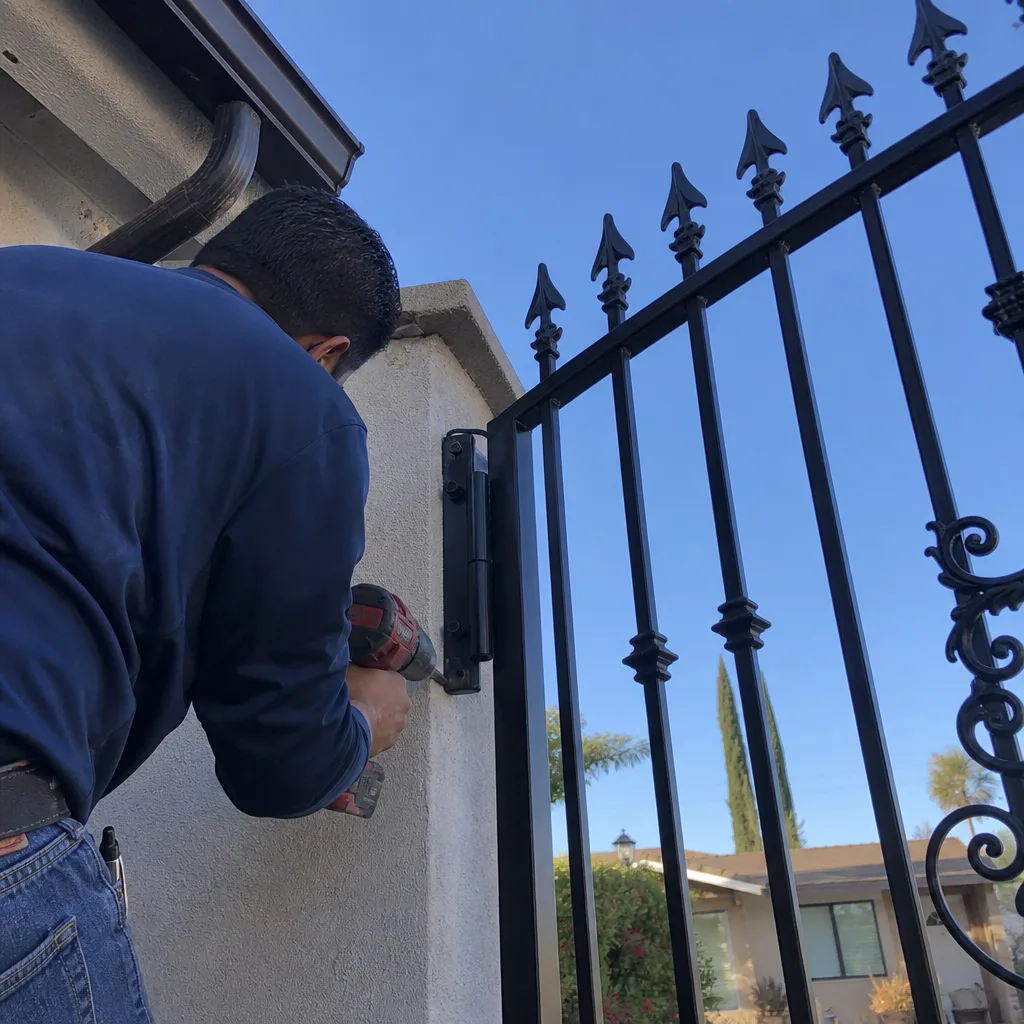
This is the scenario every Los Angeles homeowner dreads, and it happens more often than it should. The contractor arrives, starts the work, and then discovers something that “wasn’t visible” during the estimate. Suddenly the price is going up. Sometimes that’s legitimate. Often it’s manufactured. Here’s how to tell the difference and what to do about it.
A legitimate price change is tied to a genuinely hidden condition that could not have been identified during a reasonable inspection. For example, a gate’s internal frame is rotted behind the cladding, or the underground conduit for the wiring is collapsing and wasn’t discoverable without excavation. These things happen, especially on older Los Angeles properties where gates were installed decades ago and the original installation wasn’t documented. A legitimate contractor will stop work, show you the condition, explain why it changes the scope, and present a new written price before continuing. They will not keep working and present the new price at the end.
An illegitimate price change is announced after the fact, for work already performed, with no written change order and no documentation. Under California law, a contractor cannot perform extra work without your authorization and then bill you for it. If you never approved the additional scope in writing, you have a strong position to dispute the charge. Specifically:
- Demand a written change order. In California, any change to the contract that affects the price or scope requires a written change order signed by both parties. If the contractor says they don’t do change orders, that’s your answer.
- Do not pay the additional amount under protest without documentation. If you pay it, get a receipt that clearly states the additional charge is disputed. Better: refuse to pay the disputed portion until you have the change order in hand.
- Document everything. Photograph the work, the invoice, and any communication. If you end up filing a complaint with the CSLB, documentation is what carries the day.
- Contact the CSLB. The Contractors State License Board takes unlicensed and unlawful contracting seriously. A contractor who performs unauthorized work and demands payment for it is violating California contractor law, and the CSLB is the body that enforces it.
The best protection against this scenario is to never create the conditions for it. Hire the contractor who gave you a written scope. Hire the one who photographs their work. Hire the one who told you, in the first call, that the price is written and fixed before any work starts. Those contractors exist in Los Angeles. You just have to filter for them.
The Step-by-Step Hiring Process
Here’s the hiring process reduced to a sequence, from first thought to finished repair. Each step assumes you’re in Los Angeles and working with a local contractor, not a remote call center that dispatches whoever’s available.
Step 1: Define the Problem in Writing for Yourself
Before you call anyone, write down what the gate is doing: Won’t open at all? Opens halfway and stops? Grinding noise near the motor? Beeping but no movement? The more specific your description, the more useful the phone call. A contractor who knows exactly what symptom you’re seeing can bring the likely parts on the first visit, which saves everyone a second trip across Los Angeles traffic.
Step 2: Check the License and Insurance
Use the CSLB portal before you call. If the company isn’t licensed, don’t call them. If they are licensed, note the classification and whether it covers gate work. Then ask about general liability insurance when you speak to them. A contractor who hesitates on either question goes on the no list. There’s no shortage of licensed, insured gate repair companies in Los Angeles. You don’t need to compromise.
Step 3: Make the Call and Listen for Red Flags
Ask the five diagnostic questions from the section above, including the one about whether they’ll photograph the work. Listen for the red flags from the first-call section. If the call goes well, schedule the site visit or estimate. If it doesn’t, thank them and call someone else. The phone call is a free screening tool.
Step 4: Insist on a Written Scope
When the contractor sees the gate, ask for the written scope before approving any repair. The scope should name the parts, the labor hours, the exclusions, and the warranty terms. If the scope says “gate repair” with a number attached, ask them to rewrite it. Every legitimate contractor in Los Angeles can produce a real scope. Ours is handed over before any work starts, every time, with the part numbers and the flat price in writing.
Step 5: Get the Change Order (If Needed)
If work begins and something unexpected appears, insist on a written change order before the additional work starts. Do not accept a verbal revision to the original agreement. The original scope is the contract. Revisions go next to it, on paper, with signatures.
Step 6: Review the Final Invoice Against the Scope
When the work is done, compare the final invoice to the original written scope and any change orders. The parts should match. The labor should match. The exclusions should still be excluded. If something doesn’t line up, ask for an explanation. A contractor who documented everything will have no trouble answering.
Step 7: Keep the Records
File the written scope, the final invoice, and the photo record in one place. If the gate acts up again in six months, those records are the difference between a warranty fix and a new bill. Under our 365-Day Done Right Promise, if a repair isn’t right, we make it right, no argument, no fee, no expiration within that year. But the promise only works if both sides have the records. Keep yours.
You can also return to the Vance Gate Repair Los Angeles home page to review the full range of services, including gate repair, installation, motors, and access control for residential and light commercial properties.
Common Mistakes to Avoid
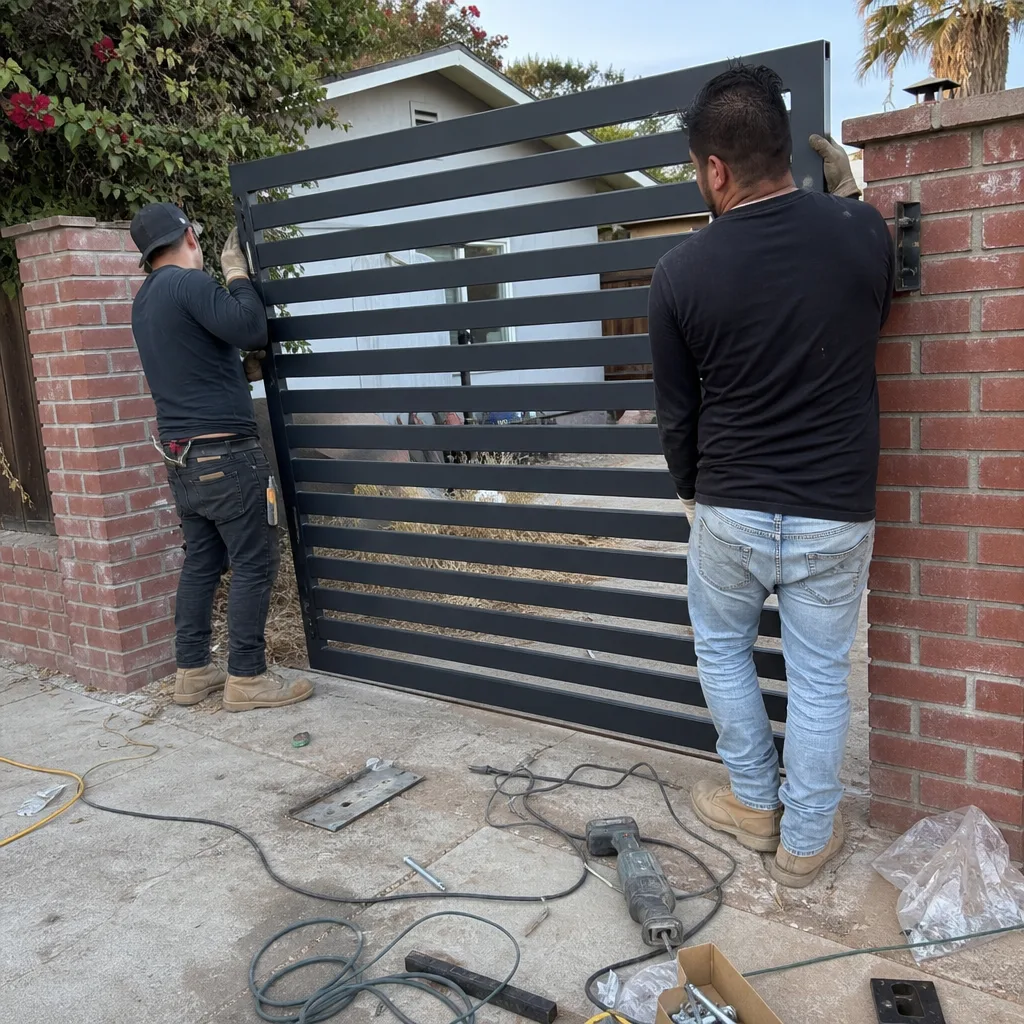
- Hiring based on price alone. The cheapest quote in Los Angeles often becomes the most expensive repair when the work doesn’t hold and the contractor’s phone goes quiet. A written scope at a slightly higher price is still cheaper than paying twice.
- Assuming all gate contractors are the same. Gate repair is a niche. The contractor who does excellent concrete work may know very little about a Ghost Controls control board or a DoorKing limit switch. Hire the specialist.
- Approving work without a written scope. This is the original sin of gate repair, and it’s how every “surprise invoice” story starts. If you remember nothing else from this guide, remember this: written scope before work. Always.
- Not asking about the warranty in writing. “It’s warrantied” means nothing unless you know for how long, what it covers, and what voids it. Get the warranty terms in the written scope, not in a verbal aside.
- Letting the contractor “upgrade” you into a new motor during a repair call. Sometimes the upgrade is legitimately necessary. But when the recommendation arrives before the diagnosis, it’s not an upgrade. It’s a sales pitch. Ask for the written diagnosis first.
- Ignoring your own documentation instincts. If a contractor makes you feel unreasonable for wanting things in writing, that’s not a communication style. That’s a data point. The contractor who resists documentation is telling you how the rest of the job will go.
When to Call a Professional
There are gate maintenance tasks a homeowner can handle: lubricating hinges, clearing debris from the track, checking that the photo-eye lenses are clean. And then there’s the rest of it. If your gate motor is making a grinding noise, the gate isn’t closing fully, the remote works intermittently, or you see visible wear on a hinge or bracket, call a professional. Electric gates on Los Angeles properties often sit at the front of a driveway on a slope, moving a steel structure several times a day. When the parts wear out, they don’t fail gently. A gate that closes on a car, a child, or a pet is a preventable event. Our position on DIY for gate internals is straightforward: don’t. The mechanisms are heavy, the electronics are unforgiving, and the cost of getting it wrong is higher than the cost of getting it right the first time. Vance Gate Repair Los Angeles offers free estimates in Los Angeles. Call (213) 674-2473 and we’ll put the scope and the price in writing before anything moves.
Frequently Asked Questions
Most residential gate repairs in Los Angeles run between $250 and $900, depending on the fault and the brand of automation. A misaligned photo-eye or a limit switch reset is on the low end. A control board replacement on a DoorKing or Elite opener runs higher, especially if the board is no longer in production and needs a current-model substitute with rewiring. The exact price should be in writing before work starts. Call (213) 674-2473 for our Gate Repair services with a free estimate and a flat price handed over before any repair begins.
Many gate repairs can be scheduled quickly, and a live person answers our phones 24/7, including for emergency calls when a gate is stuck open or stuck closed. The scheduling depends on the diagnosis and the parts required, not on your neighborhood. We serve all of Los Angeles, and we’ll give you a window and a named technician before anyone arrives.
For most repairs and like-for-like part replacements, no permit is required in Los Angeles. The situation changes if the work involves new electrical runs, concrete footings, or a gate structural modification, where city requirements may apply. A good contractor will tell you up front if your repair triggers a permit requirement. It’s worth asking during the estimate, and the answer should be in the written scope.
Look for a state-licensed contractor with a written scope policy, a documentation habit, and experience across multiple gate automation brands like Ghost Controls, Elite, or Mighty Mule. The written scope is the key signal. If a contractor won’t put the price and the parts in writing before starting, the other qualities matter far less. Ask the five diagnostic questions, check the CSLB portal, and trust the paperwork over the promises.
Yes. The majority of gate repairs in Los Angeles are on gates installed by other companies, sometimes decades ago. That’s exactly why we service nine major automation brands rather than steering every repair toward a full replacement. Our technicians work on whatever motor is already on the property, diagnose the actual fault, and document the repair with photos and part numbers before leaving.
A gate repair addresses a specific fault: a bad sensor, a misaligned limit switch, a failing capacitor, a worn hinge bracket. A motor replacement is called for when the motor itself has failed beyond repair, which happens but is often misdiagnosed by contractors who prefer selling a new unit to fixing the old one. A legitimate contractor will show you the testing that led to the replacement recommendation. If a motor works but the gate is behaving badly, the problem is usually in the control board, the wiring, or the mechanical parts. That’s a repair conversation. For more on this, our Gate Motor & Opener in Los Angeles page covers diagnostics and replacement in detail.
Yes. Our background is in commercial access control, going back to 2014, and we carry that documentation habit onto every residential gate we touch. Keypads, intercoms, vehicle sensors, and remote systems all fall within our scope, and the same written-price and photo-record standard applies. If your gate has an opening system tied to a control box, we can diagnose and repair it.
The Bottom Line
Hiring a gate repair contractor in Los Angeles is simple when you stop looking for charisma and start looking for paperwork. A written scope with part numbers, labor hours, and exclusions. A license you can verify on the CSLB portal. A photo record of the work when it’s done. A contractor who does these three things doesn’t need to convince you they’re trustworthy. They’ve already shown you. Vance Gate Repair Los Angeles has repaired and installed over 22,000 gates since 2014, every one with a written price before the job started and a documented record when the technician left. For more guides & resources, visit our blog. Call (213) 674-2473 for a free estimate, or use our online form and we’ll have a technician out to your Los Angeles property with a name, a license number, and a written scope in hand.
Written by Adrian Vance, Owner at Vance Gate Repair Los Angeles, serving Los Angeles since 2014.